
Blog

Tips, updates & stories from our grove

← All Posts

Our First Season at Patel Ranch: Restoring a De Luz Avocado Grove

Taking responsibility for an established avocado grove is exciting—but it is also humbling.

When our family began caring for Patel Ranch in the spring of 2026, we were not starting with an empty field. We were becoming stewards of a living landscape filled with mature avocado trees, aging irrigation lines, steep hillsides, native vegetation, wildlife, and decades of agricultural history.

Located in the hills of De Luz, just outside Temecula, California, Patel Ranch covers approximately 20 acres. Some parts of the grove remain productive, while other sections need significant cleanup, irrigation repairs, pruning, and long-term rehabilitation.

Our first season has been about understanding the land before trying to change it.
Beginning With the Existing Harvest
One of our first major tasks was harvesting the fruit already growing on the ranch.

Walking through the grove and finding mature Hass avocados beneath the tree canopy gave us an immediate appreciation for the work invested here over many years. Each avocado had to be carefully picked by hand, collected, sorted, and transported without damaging the fruit or the trees.

During our initial harvest, we collected approximately 3,000 pounds of avocados.

For a ranch that is still in the early stages of restoration, the harvest was encouraging. More importantly, it helped us identify which sections of the property contain the healthiest and most productive trees.

Some trees were carrying a strong crop. Others showed signs of stress from inconsistent irrigation, weeds, broken sprinklers, overcrowding, or declining root health.

The harvest gave us more than fruit—it gave us information.

Learning How Water Moves Through the Grove
In Southern California avocado farming, water management is one of the most important—and most expensive—parts of operating a grove.

Patel Ranch currently has multiple irrigation zones supplied through an existing network of main lines, valves, lateral lines, and microsprinklers. Because the ranch is located on sloping terrain, water pressure and distribution can vary considerably from one area to another.

Our early irrigation work has included:

  • Inspecting valves and irrigation lines

  • Repairing broken or disconnected emitters

  • Measuring water use in each irrigation zone

  • Checking pressure while the system is operating

  • Identifying trees receiving too much or too little water

  • Planning improvements to the irrigation controller and electrical system

The goal is not simply to apply more water. It is to deliver the right amount of water to the trees that have the best opportunity to recover and produce quality fruit.

Avocado trees require careful irrigation, but they are also sensitive to saturated soil and poor drainage. This makes irrigation management especially important in older groves where tree condition, soil depth, slope, and root health can vary from one section to another.

Focusing on the Strongest Areas First
Restoring an entire 20-acre grove at once would require a tremendous amount of water, labor, and capital. Instead, our strategy is to begin with the strongest sections of the ranch.

We are identifying the areas with:

  • Healthy mature trees

  • Consistent fruit production

  • Reliable irrigation coverage

  • Manageable terrain

  • Good access for harvesting and maintenance

  • The greatest potential for long-term recovery

By concentrating our resources in the most promising areas, we can care for fewer trees more effectively rather than spreading water and labor too thinly across the entire property.

Some declining sections may be gradually thinned or allowed to remain temporarily fallow. Over time, selected areas may be replanted with healthier trees and improved spacing.

This will be a gradual process rather than a single large renovation.

Cleaning Up Without Losing the Character of the Ranch
Years of growth can quickly make an avocado grove difficult to access. Tall weeds, fallen branches, dead trees, damaged irrigation tubing, and volunteer vegetation can interfere with harvesting and conceal leaks or other maintenance problems.

Initial cleanup has included weed control, clearing access paths, removing debris, and identifying trees that may no longer be viable.

At the same time, we do not want Patel Ranch to feel overly manicured or disconnected from its natural surroundings. The De Luz hills are home to birds, pollinators, native plants, and wildlife that are part of the character of the property.

Our objective is to maintain a safe, productive agricultural operation while preserving the rural landscape that makes the ranch special.

Planning the Next Generation of Trees
Many of the existing trees have been growing for decades. Mature trees are an important part of the ranch, but long-term farming also requires planning for the next generation.

We are evaluating several options for future planting, including premium avocado varieties suited to Southern California conditions. Potential plans include a smaller, carefully managed high-density planting rather than attempting to replant the entire ranch.

Future planting decisions will consider:

  • Variety and fruit quality

  • Type A and Type B flowering patterns

  • Pollination

  • Tree spacing

  • Irrigation efficiency

  • Rootstock selection

  • Soil drainage

  • Long-term harvesting access

New trees take time to establish, so any replanting will be approached as a long-term investment in the future of Patel Ranch.

More Than a Harvest
Our vision for Patel Ranch extends beyond producing avocados.

We want the ranch to become a place where our family can learn about agriculture, care for the land, and build something meaningful over many years. We also hope to share the process honestly—including the successful harvests, the broken irrigation lines, the difficult decisions, and everything we learn along the way.

Farming an older grove is not about achieving perfection in a single season. It is about making thoughtful improvements year after year.

This first season has already taught us to observe before acting, repair before replacing, and focus our efforts where they can make the greatest difference.

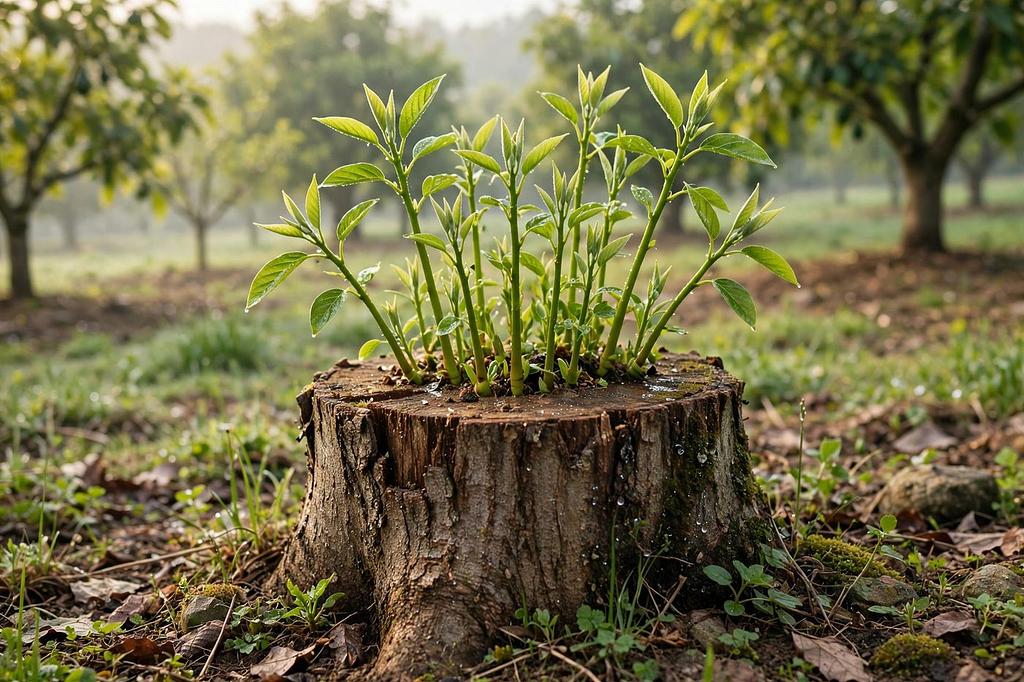
There is still a great deal of work ahead, but each repaired sprinkler, cleared pathway, healthy new flush of growth, and box of harvested avocados represents another step forward.

Follow the Patel Ranch Journey
We will continue sharing updates from the grove as we improve the irrigation system, care for the existing trees, evaluate new plantings, and prepare for future avocado seasons.

Follow Patel Ranch on Instagram, Facebook, and YouTube for harvest videos, grove updates, irrigation projects, tree-care observations, and more stories from our family-owned avocado ranch in De Luz, California.

Thank you for following along as we begin this next chapter at Patel Ranch.


Shop Our Avocados